Author: George Liacos
How to think more strategically: Stakeholder Engagement: Example (Part 2)
Strategic thinking is a muscle. You can grow it with intentional practice.
We build our strategic thinking muscle using a range of techniques and tools as outlined in my book Spark Change.
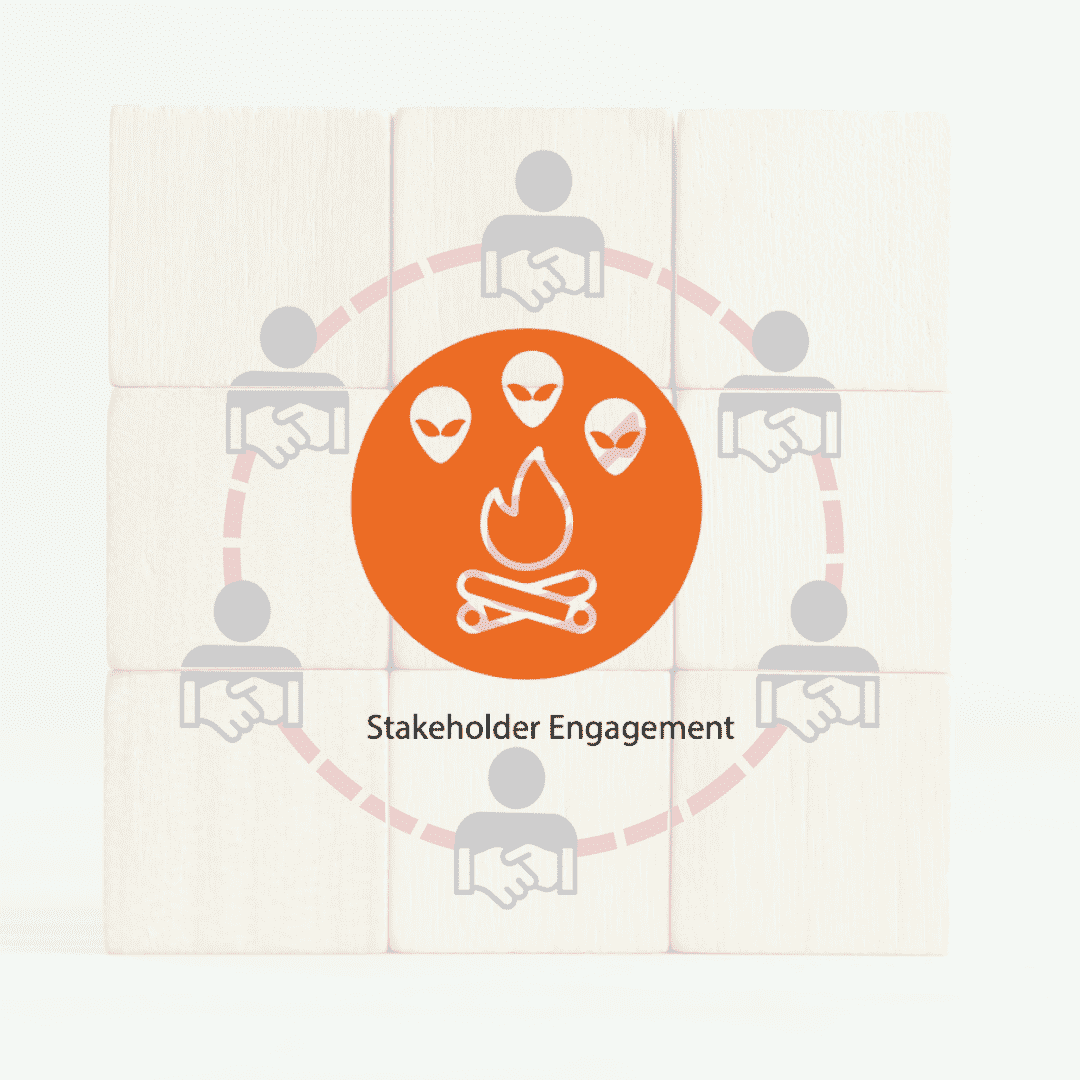
The eighteenth Spark I’d like to introduce you to is Stakeholder Engagement. Let’s share with you an example.
How to think more strategically: develop your skills
To develop the skill of stakeholder engagement in strategic thinking, follow these steps:
- Identify who: Identify the people you need to engage with on the matter you are thinking about. These may include donors, beneficiaries, staff, volunteers, partners and community members.
- Utilise empathy maps: Walk in stakeholders’ shoes using empathy maps to best understand what they seek, and the pains they experience in getting what they seek.
- Create a line up: Pick the elements of the empathy map that your thinking is trying to address. This involves balancing diverse needs with your purpose.
- Plan to engage on common ground: Create tailored strategies for engaging different stakeholder groups on these areas of commonality in a way that works for them. This might involve regular updates, collaborative projects or feedback sessions.
- Cross-check their capability: Ask yourself if these stakeholders have the ability to give you what you need or if they need to be upskilled.
- Regularly joint review: Sit together regularly to review progress.
- Build long-term relationships: Social problems have many sides and take time to solve. My guess is you will be working with them for a long time.
By methodically developing these steps, stakeholder engagement becomes an integral and skilful part of your strategic thinking, ensuring your strategies are informed, supported and enriched by the perspectives of those we serve and collaborate with.
How to think more strategically: continue to grow
Here are some techniques to help you develop this skill:
- Ethnographic shadowing: This immersive approach involves closely observing stakeholders in their natural environments, documenting their daily routines, interactions and decision-making processes. Ethnographic shadowing goes beyond standard interviews and surveys, offering real-world context that can be invaluable for understanding stakeholder perspectives.
- Sentiment analysis algorithms: Utilise machine learning and natural language processing to scan stakeholder communications – like emails, social media posts or transcripts of meetings – for emotional tone and content. This advanced method helps organisations identify stakeholder sentiment shifts in real-time, allowing for immediate and nuanced strategy adjustments.
- Blockchain for transparent decision-making: Incorporate blockchain technology to allow stakeholders to directly input into decision-making processes. A blockchain could record stakeholders’ opinions and ideas, ensuring transparency and immutability. It can make the consultative process more transparent and verifiable, thus fostering trust and better engagement.
- Virtual reality scenarios: Develop immersive VR experiences that put stakeholders directly into scenarios that the organisation faces. It can be a powerful way to elicit authentic reactions and facilitate more profound, empathetic understanding among stakeholders and decision-makers alike.
- Interactive data visualisation: Employ advanced data visualisation tools that allow stakeholders to manipulate variables and instantly see potential outcomes. This not only democratises data but also makes complex issues easier to understand, allowing stakeholders to engage on a deeper level.
- Dark web scouring tools: As unconventional as it sounds, tracking stakeholder sentiments on less accessible parts of the internet could provide uncensored insights into their true feelings. Specialised software can monitor mentions and discussions related to your organisation or industry, providing a fuller picture of stakeholder sentiment.
Each of these methods has the potential to radically reshape the conventional wisdom around stakeholder engagement. They allow for a more nuanced, multifaceted understanding of stakeholder dynamics, which is indispensable in today’s complex environment.
Resources & Support
This is why I wrote the book Spark Change, developed the Strategic Thinking Masterclass, and have released The Spark Strategic Leader ™ Subscription Program – all to help our sector’s leaders build the strategic thinking muscle.
Contact us at info@sparkstrategy.com.au to find out more.
If you enjoy reading articles like this and want to be kept updated with our free resources, join our newsletter. We will send regular, informative, and helpful content.
Want to read more about each Spark? Check out all our blogs and resources.
