
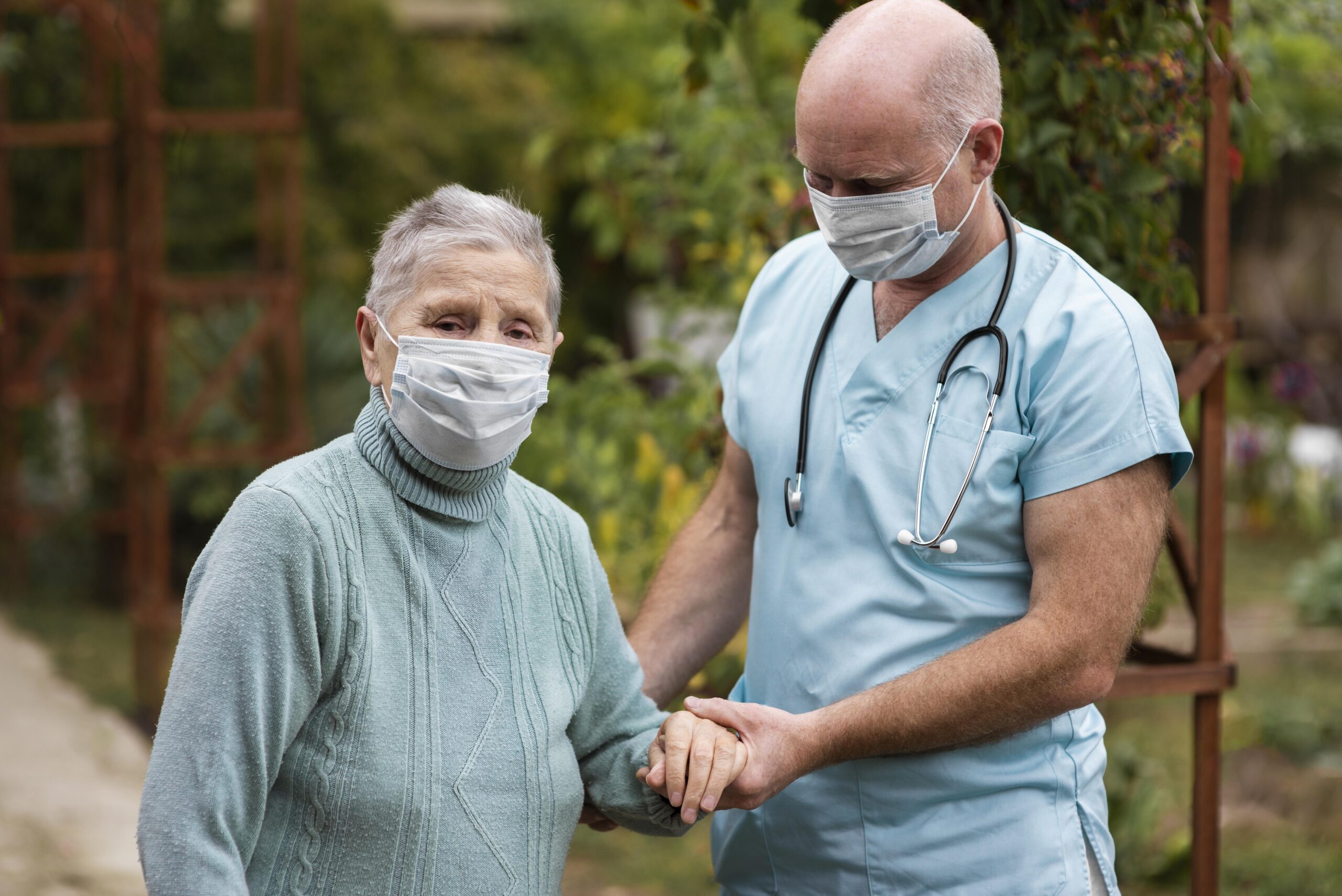
A Fork in the Dirt Road – Re Imagining Rural Healthcare in Victoria
Across the vast landscapes of Victoria—its coastal towns, farming communities, and regional hubs—lies a powerful opportunity: Re Imagining Rural Healthcare services not as an urban default scaled down for the bush, but as systems designed for and with regional communities.
Rural and regional Victorians contribute immensely to the economy and cultural fabric of our state. They feed our cities, power industries, and welcome tourists. But when it comes to health outcomes, a gap persists—and in some areas, that gap is widening. Now is the time to lean into innovation, community wisdom, and partnership to reshape rural health for the better.
The demographic shift is accelerating demand
Victoria’s regional population is ageing faster than its metropolitan counterparts. In inner regional areas, nearly one in four residents is over 65—compared to 16.7% in major cities. This growing cohort of older adults is living with higher rates of chronic illness: more than half in rural areas experience long-term health conditions, from cardiovascular disease to arthritis.
To meet this need, our systems must evolve. We need to expand models of care that go beyond hospitals—seamlessly integrating community health, home-based care, aged care, and digital tools. Preventative health, chronic disease management, and local access to allied health are no longer “nice to have”– they are essential pillars of sustainable care.
Chronic illness and its growing footprint
The health burden in regional Victoria is significant, shaped by higher rates of obesity, smoking, and physical inactivity. People living in remote areas experience 1.4 times the total disease burden compared to those in major cities. Chronic conditions—particularly coronary heart disease, type 2 diabetes, and kidney disease—are more prevalent and more complex in these communities.
But there is also strength in local innovation. Community-led initiatives and nurse-led models are already demonstrating success in engaging patients and reducing hospital admissions. With the right support, these initiatives can be scaled across regions, offering more tailored and preventative care to people where they live.
Mental health needs integrated support
Mental health challenges are a growing concern across rural and regional Victoria, with youth suicide and self-harm rates particularly troubling. Geographic isolation, long wait times, and limited specialist availability can compound stress and reduce help-seeking.
Yet, rural communities are deeply connected. There’s an opportunity to build on this strength through well-integrated mental health services that are embedded into local health centres, schools, and community spaces. Tele-mental health, peer support models, and partnerships with existing organisations can help bridge gaps and reduce stigma.
Strengthening cancer care close to home
Regional Victorians are up to 16% more likely to die from cancer than those in metropolitan areas. Limited access to screening, delayed diagnosis, and travel burdens for treatment all contribute to this disparity.
Boosting local screening capacity and outreach is critical—especially for cancers like melanoma, bowel, and prostate that have higher regional incidence. Equally important is expanding access to nurse navigators and oncology outreach services that provide care continuity and coordination.
Primary care under pressure
One of the most pressing issues in rural Victoria is access to GPs and primary care. Workforce shortages mean that residents increasingly turn to emergency departments for non-urgent concerns. This leads to higher hospital loads and, often, preventable admissions.
Improving primary care access through workforce incentives, nurse practitioner models, and community-based health hubs can help ease this pressure. Re Imagining Rural Healthcare and educating communities on appropriate care pathways and improving discharge planning are also essential to creating a more efficient and effective system.
A health workforce built for the bush
Regional Victoria needs a strong, stable, and skilled health workforce—but attracting and retaining healthcare professionals remains a significant challenge. In small rural towns, there are 55% fewer health professionals per capita than in metro areas. Dentists, pharmacists, GPs, and allied health workers are especially scarce.
Solutions exist. From rural training pipelines and student placements to locally-based professional development and mentoring, we can create compelling career paths in rural health. Equally, flexible models and team-based care can support smaller services to offer a broader range of treatment, even in remote communities.
Closing the funding gap
The National Rural Health Alliance estimates a $6.55 billion annual funding shortfall between rural and urban health systems—equating to $850 less per person, per year. While investments like the Victorian Government’s $4.9 billion regional health package are welcomed, structural funding reform remains essential.
Rural health needs funding models that reflect the realities of distance, complexity, and community expectations. Long-term investment, block funding models, and targeted programs for rural service delivery must be part of the future.
Investing in infrastructure, technology and connection
In many rural hospitals and clinics, infrastructure lags behind modern healthcare demands. Outdated systems—often still reliant on paper—limit care coordination and increase clinical risk. The implementation of electronic medical records (EMRs), remote monitoring tools, and telehealth platforms is vital.
But digitisation is more than just a tech upgrade. It’s about giving clinicians more time with patients, enabling faster referrals, and supporting people to manage their health at home. Investment must include not just the tools, but the training and cybersecurity needed to sustain them.
Integrated care and partnerships: building sustainable rural health systems
A future-focused rural health system must be more than the sum of its parts—it must be connected. Integrated care, which involves coordination across hospitals, primary care, aged care, mental health, and community health services, is key to delivering better outcomes and more efficient care.
Victoria is already trialing promising models. The Sustainable Rural Healthcare Hubs project in Northern Victoria is a collaboration between Northern District Community Health, Murray PHN, and several local health services. Together, they are testing a more joined-up approach to healthcare delivery—focusing on workforce sharing, care continuity, and reducing duplication across providers. Early insights from this initiative point to the potential of such partnerships to build more responsive and sustainable care systems in smaller towns and catchments
The Victorian Government has also supported integrated approaches through programs like HealthLinks: Chronic Care and Diabetes Connect, which aim to remove traditional funding silos and allow services to implement more holistic, team-based models of care. These programs show how integrated care can improve outcomes for people living with chronic conditions while reducing hospital use and enhancing patient experience.
Strong partnerships—between local health services, GPs, community organisations, Aboriginal Community Controlled Health Organisations (ACCHOs), and governments—are critical. They allow regions to pool resources, share expertise, and design care that truly reflects local needs. Integrated care is not just a model—it’s a mindset shift toward collaboration, prevention, and patient-centred design.
Building from community strengths
Despite the challenges, rural Victoria offers something profoundly valuable: connected, caring, and resilient communities. People in regional areas report greater satisfaction with personal safety, relationships, and sense of belonging. They volunteer more, experience less loneliness, and value the contribution of local services.
These strengths must be central to rural health design. True equity will be achieved not by replicating city models, but by empowering communities to co-design care systems that work for them. That means listening deeply, partnering genuinely, and resourcing community organisations that already play a crucial role in local wellbeing.
Author: Ankur Sadhwani
If you enjoy reading articles like this and want to be kept updated with our free resources, join our newsletter. We will send regular, informative, and helpful content. You can also read more content here.

George is the Founder and Director of Spark Strategy and brings 30 years of experience in the strategic development of not-for-profit and public sectors organisations. He is one of Australia’s most experienced sector strategists and facilitator. George excels at helping organisations move from complex challenges to clear direction. He combines deep sector knowledge with genuine, long-term partnerships that drive meaningful and lasting impact. George is passionate about developing strategic thinking in leaders and boards and is the author of Spark Change, a practical guide to building strategic capability in the social sector and was a Business Book of the Year finalist.
Credentials
- 30+ years strategic advisory and facilitation experience
- Founder & Director, Spark Strategy
- MBA, Melbourne Business School
- GAICD
- Seasoned Board Chair